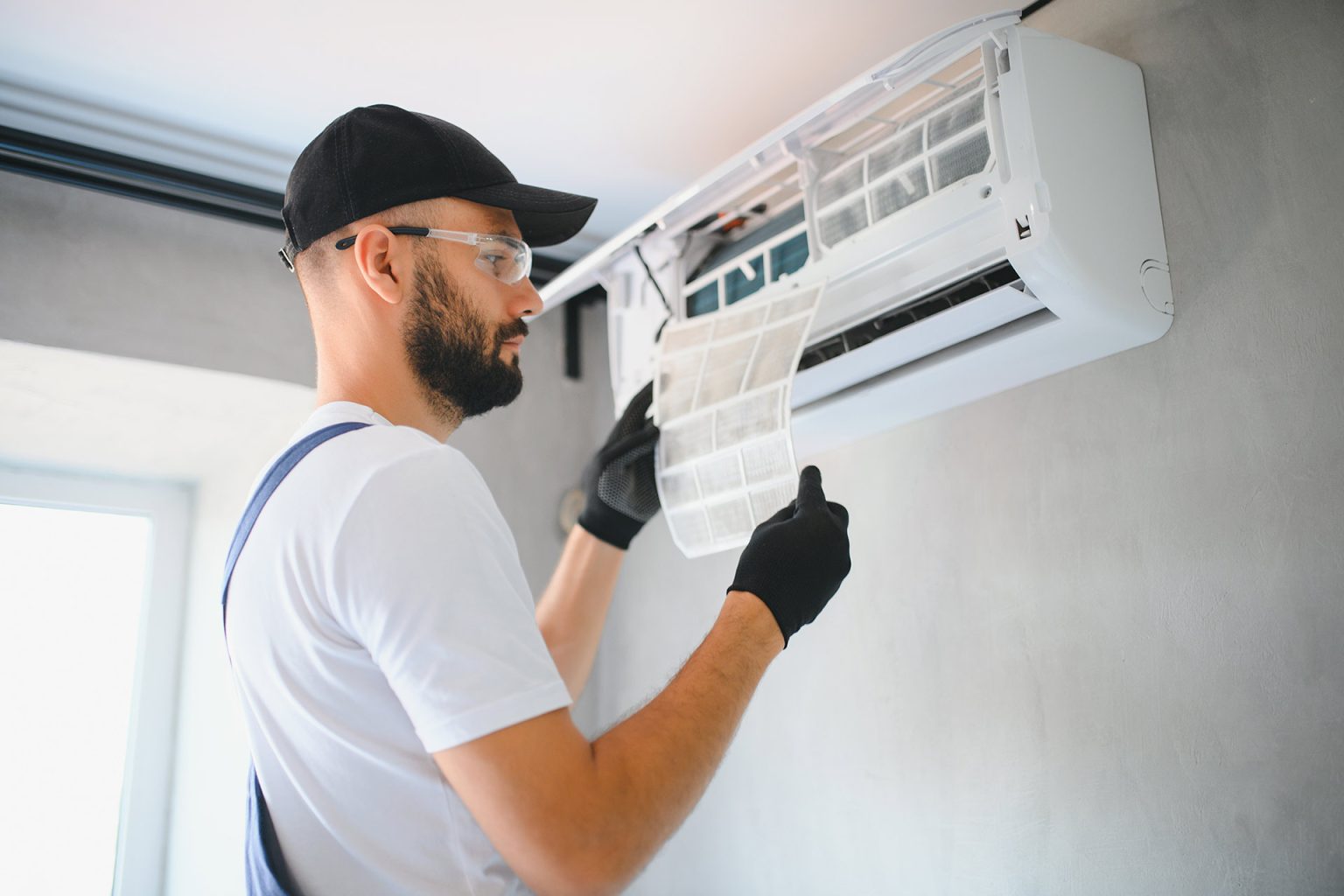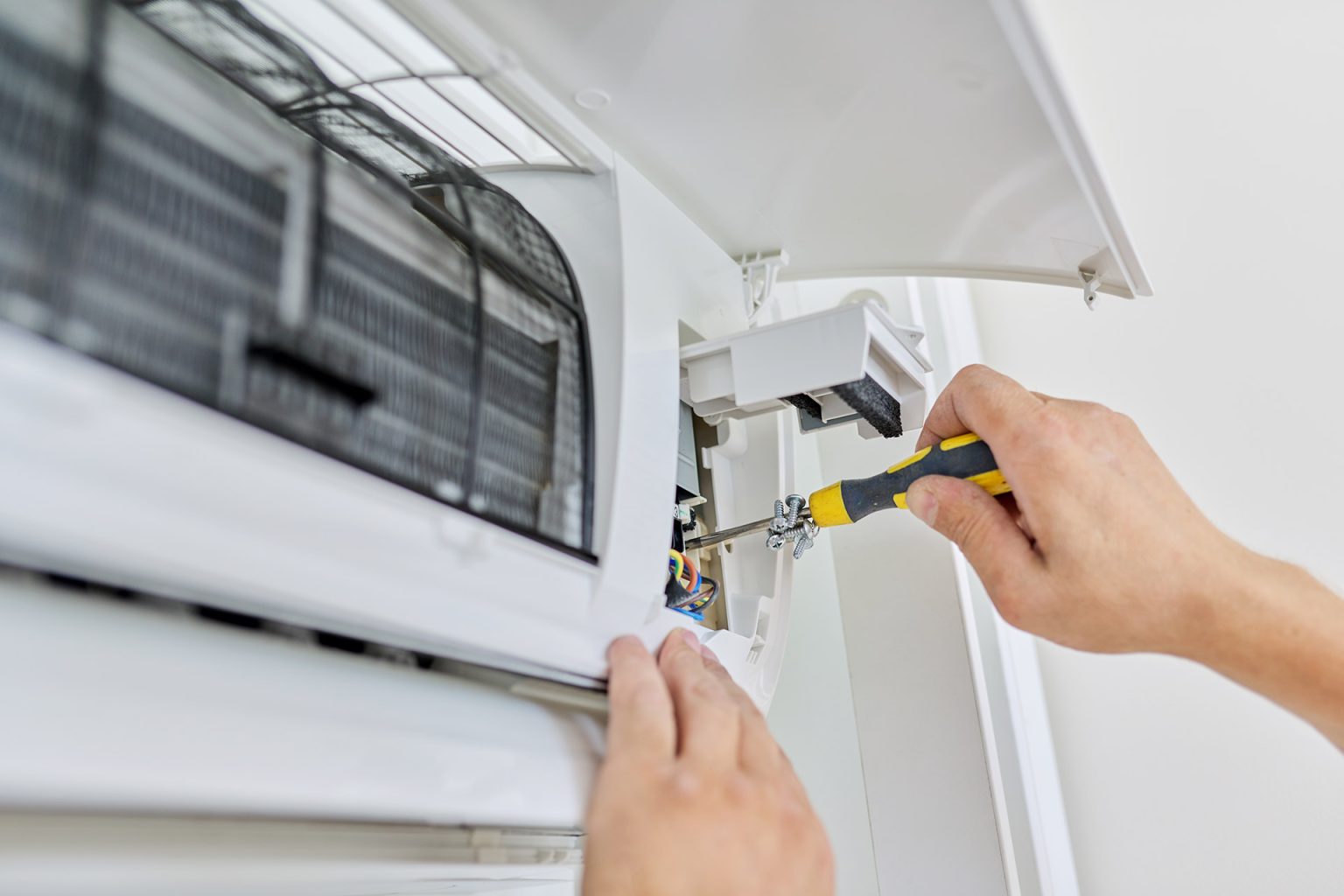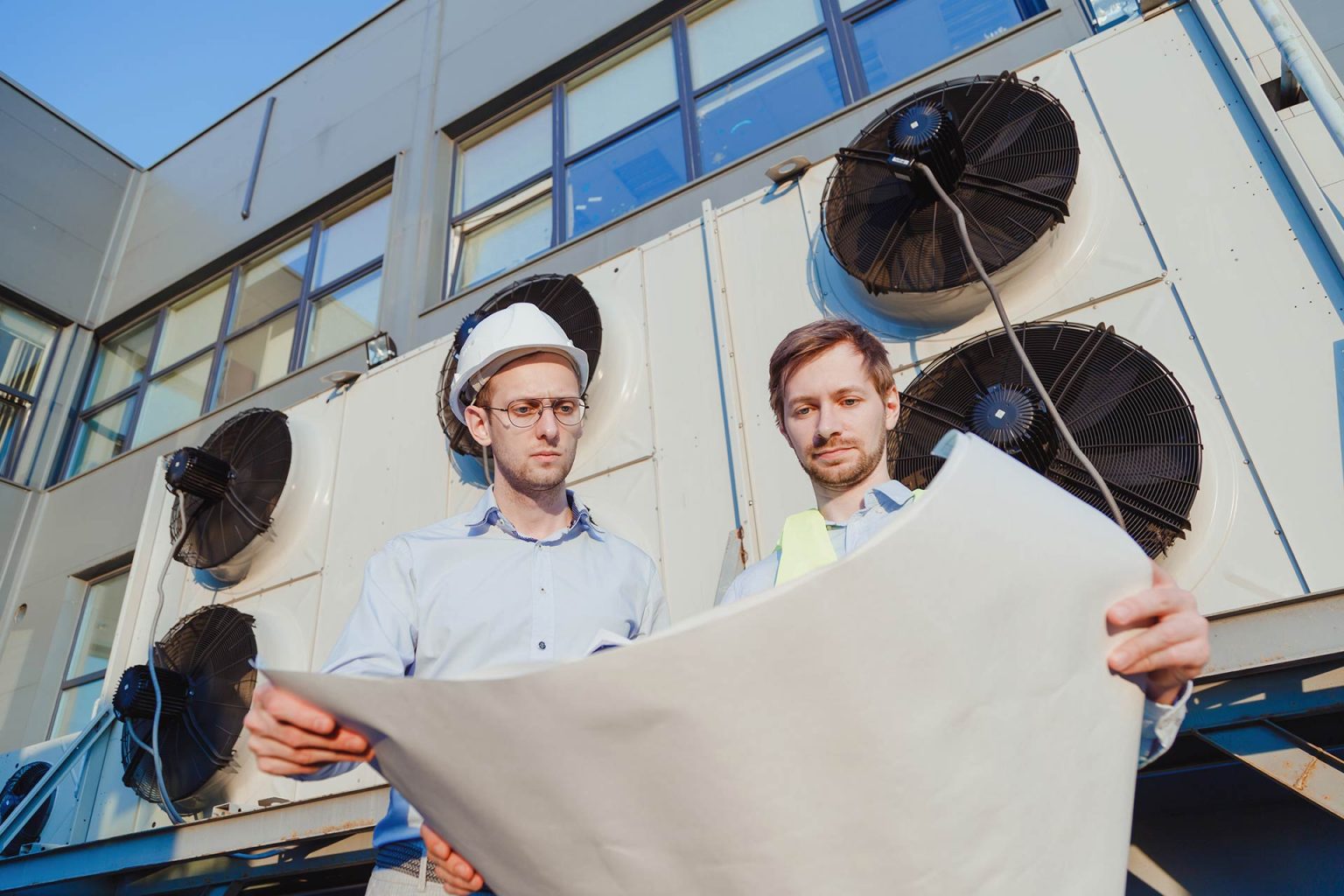
When we mention commercial construction, people often picture architects, contractors, or structural engineers. But behind every comfortable office building, shopping center, hospital, or apartment complex is another key professional that many people overlook: the HVAC engineer.
Modern buildings depend heavily on heating, ventilation, and air conditioning systems to create safe, efficient, and comfortable indoor environments. Air circulation, temperature control, energy efficiency, or even indoor air quality, HVAC engineers play a major role in how commercial buildings function every single day.
As commercial construction continues to grow across the DMV area, the demand for smarter and more energy-efficient HVAC systems has become more important than ever. In this guide, we’ll break down how HVAC engineers actually help you for commercial buildings, and even what impacts you can feel daily.
What Does an HVAC Engineer Do?
An HVAC engineer specializes in designing, planning, and optimizing heating and cooling systems for residential, industrial, and commercial buildings.
In commercial construction projects, HVAC engineers help determine:
- Building airflow requirements
- Heating and cooling loads
- Ventilation system layouts
- Energy efficiency strategies
- Humidity control systems
- Indoor air quality solutions
Unlike simple residential HVAC setups, commercial systems are usually much more complex. This is due to the scale and activities a commercial building has. A single office building may require multiple zones, large rooftop units, advanced ductwork systems, and smart automation controls.
Why HVAC Engineering Matters in Commercial Buildings
A commercial building without proper HVAC planning can quickly become inefficient, uncomfortable, and expensive to maintain.
Here’s why HVAC engineers are so important in modern construction:
1. Energy Efficiency
Energy costs are one of the biggest expenses for commercial property owners. HVAC systems often account for a large portion of a building’s energy usage.
HVAC engineers help reduce operational costs by:
- Designing energy-efficient systems
- Optimizing airflow distribution
- Selecting efficient equipment
- Reducing unnecessary energy waste
With rising energy prices across the DMV area, efficient HVAC planning has become a major priority in commercial development.
2. Indoor Air Quality and Ventilation
After the COVID-19 pandemic, indoor air quality became a major focus for businesses and property managers. Most people are now aware of the importance of air quality.
HVAC engineers help improve indoor environments through:
- Proper ventilation systems
- Air filtration design
- Humidity management
- Fresh air circulation planning
A good ventilation would also have a direct impact for the business in commercial buildings. Good indoor air quality can improve:
✅ Employee comfort
✅ Productivity
✅ Customer experience
✅ Health and safety compliance
3. Building Comfort and Temperature Control
Commercial buildings often have:
- Different room sizes
- Large occupancy variations
- Heat-generating equipment
- Glass-heavy architecture
Without proper HVAC engineering, some areas may become too hot while others remain too cold.
Modern HVAC engineers use advanced load calculations and zoning systems to ensure balanced temperatures throughout the building.
🌱 Smart Buildings and Modern HVAC Technology
Today’s commercial buildings are becoming “smarter”, and HVAC engineers are a huge part of that evolution.
Modern HVAC systems now include:
- Smart thermostats
- Automated climate controls
- Occupancy sensors
- Energy monitoring systems
- Remote system diagnostics
These technologies help businesses lower energy costs while improving overall comfort.
As sustainability becomes a bigger priority, HVAC engineers are increasingly involved in designing environmentally friendly buildings and LEED-certified construction projects.
⚠️ Poor HVAC Design Can Lead to Expensive Problems
When HVAC systems are poorly designed, buildings may experience problems like Uneven temperatures, High energy bills, Excess humidity, Poor airflow, Frequent equipment failures, Mold or moisture issues.
Fixing HVAC mistakes after construction is completed can be extremely costly. That’s why early HVAC engineering involvement is critical in commercial projects.
🌟 Final Thoughts
HVAC engineers may work behind the scenes, but their impact on modern commercial buildings is enormous. From energy efficiency and ventilation to occupant comfort and smart building technology, they help create spaces that are safe, sustainable, and functional.
As commercial construction continues to evolve across Virginia, Maryland, and Washington DC, HVAC engineering will remain a key part of building smarter and more efficient environments for the future.